
The piano sits at the center of one of the music’s most enduring debates: Is it a string instrument or a percussion instrument? The answer isn’t black-and-white. Both sides have strong arguments.
Why the Piano Is Considered a String Instrument (Chordophone)
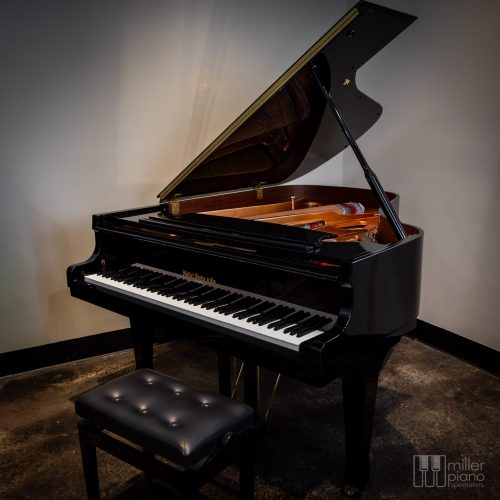
At its core, the piano produces sound through the vibration of strings — typically 200–250 steel strings stretched across a cast-iron frame. When you press a key, it triggers a complex mechanism that causes a felt-covered hammer to strike the string(s), setting them in motion. The vibrations travel across the bridge to the soundboard, which amplifies them into the rich tones we hear.
This makes the piano a chordophone in the most widely accepted scholarly system: the Hornbostel-Sachs classification (developed in 1914 by Erich von Hornbostel and Curt Sachs). In this system — used by ethnomusicologists and museums worldwide — instruments are grouped by how sound is produced:
- Chordophones (3xx) = sound from vibrating strings.
- The piano falls under subcategory 314.122-4-8: a simple board zither with a resonator box, where strings are struck by hammers and controlled via a keyboard.
Other chordophones include violins (bowed), guitars (plucked), and hammered dulcimers (struck). The piano shares clear ancestry with the hammered dulcimer, an early struck-string instrument that influenced Bartolomeo Cristofori’s invention of the pianoforte around 1700.
Tuning reinforces this: technicians adjust string tension with tuning pins, just like on other string instruments.
Why the Piano Is Often Called a Percussion Instrument
A piano’s sound begins with a strike — the hammer hits the string percussively (a sudden, brief contact). Unlike bowed or plucked strings, there’s no sustained excitation after the initial hit, giving the piano a sharp attack similar to percussion.
In Western orchestral practice, pianos are frequently grouped with the percussion section in scores and ensembles because:
- The player initiates sound via striking (keys → hammers).
- It provides rhythmic drive, accents, and color like drums, xylophones, or timpani.
Many pitched percussion instruments (xylophone, marimba, glockenspiel, timpani) also produce definite pitches, so the argument from the “piano is a string instrument (chordophone)” group’s argument that a “percussion must be unpitched” doesn’t hold.
The Verdict: It’s Both — But Primarily a Chordophone with Percussive Qualities
Most authoritative sources (e.g., Britannica, ethnomusicology references) describe the piano as both a stringed and a percussion instrument. The Hornbostel-Sachs system prioritizes the vibrating medium (strings) over the excitation method (striking), so it’s officially a chordophone. However, the percussive action is undeniable, which is why everyday and orchestral contexts often treat it as percussion-like.
Think of it this way: the piano is a struck chordophone — a hybrid that combines the pitch control and sustain of strings with the attack and articulation of percussion. This duality is part of what makes the piano so versatile and expressive.
At Miller Piano Specialists, we’ve serviced and sold thousands of pianos over the years, and we love this debate — it highlights how fascinating the instrument truly is. Whether you’re tuning strings or admiring the hammer action, the piano remains one of music’s most remarkable creations.
Curious about your piano’s mechanics or need tuning/repairs in the Nashville area? Stop by our Nashville Piano Store or give us a call — we’re happy to geek out over it with you! If you’re looking to purchase, move or service a piano, we’re your one-stop piano store.
Visit our Nashville based online piano store for the latest inventory and sale prices. https://millerps.com/shop/
This post has been recently edited. Looking for the original article… it’s below.
So, is a piano a string or a percussion instrument? Many people and musicians have debated this topic for a long time, but what is the real score? Let’s solve this debate once and for all in this post.
Labels don’t matter, they say. But when it comes to the piano – one of the most popular instruments of all time – there’s no giving up in this string – percussion debacle.
Why Do People Think It’s A String Instrument?
But first, let’s define what a string instrument is. There are three types of musical instruments. These are strings, winds, and percussions. String instruments, also known as stringed instruments or chordophones, are musical instruments that create sound by vibrating strings. Strings can produce music with either one string or multiple strings. Also, strings can be played with either the hand through plucking or through rubbing strings. Examples of string instruments are violins, guitars, harps, cellos, and piano?
So why do people say the piano is a string instrument? It may not be visible from the outside, but when you open the back, it’s made up of hundreds of strings intricately arranged. Also, to tune a piano, you need to adjust the strings behind it. But for the sole reason that the piano produces music through strings, then there’s no way that it could be a percussion.
Why Do People Think It’s A Percussion Instrument?
Percussion instruments are instruments that play sound once you hit, shake, or scrape. The role of the percussion is to keep the rhythm of a piece while adding color and flavor to it. Examples of percussion instruments include drum kits, tambourines, rainmakers, maracas, and piano?
So why do people say the piano is a percussion instrument? People argue that, although the piano produces sound by its fixed strings, it cannot produce sound unless you hit the keys that will activate a felt-covered hammer inside. But this explanation is often countered with percussions don’t have tune nor definite pitch. With this, they say that some percussion instruments do have tunes and notes, with the likes of xylophone, marimba, and timpani.
Is A Piano A String Or A Percussion Instrument – The Verdict
It can be both. According to the Hornbostel-Sachs system, a system that classifies musical instruments, piano belongs to the percussive chordophone family. And things can get complicated from there. The primary interface of the piano is a keyboard, which covers many different kinds of instruments. For example, the keyboard includes organ, which is practically a wind instrument, as well as the harpsichord, which is considered as a plucked-string instrument. But if you take the piano being under keyboard out of the picture, then the piano is just a “hammered dulcimer”, an instrument which is a partial inspiration for designing the piano.
But let’s keep things simple here. Piano is not a percussion, at least in the technical sense. But which family is it the nearest? It would be indeed percussion. Why? Because the only way to play it is by hitting the keys, which activates the hammers. And although the sound is produced by strings, hitting it makes the piano a percussion.
We hope we answered the question, “Is a piano a string or a percussion instrument”? If you’re looking for a piano – either new or used – check out our shop by clicking here.
NOTE:
This article was recently update to offer a less biased and more accurate answer. The original article is below for context and historical purposes.
Is a Piano a String or a Percussion Instrument
Is a piano a string or a percussion instrument? In this article, we are going to shed some light and hit it where it’s right.So, is a piano a string or a percussion instrument? Many people and musicians have debated this topic for a long time, but what is the real score? Let’s solve this debate once and for all in this post.
Labels don’t matter, they say. But when it comes to the piano – one of the most popular instruments of all time – there’s no giving up in this string – percussion debacle.
Why Do People Think It’s A String Instrument?
But first, let’s define what a string instrument is. There are three types of musical instruments. These are strings, winds, and percussions. String instruments, also known as stringed instruments or chordophones, are musical instruments that create sound by vibrating strings. Strings can produce music with either one string or multiple strings. Also, strings can be played with either the hand through plucking or through rubbing strings. Examples of string instruments are violins, guitars, harps, cellos, and piano?
So why do people say the piano is a string instrument? It may not be visible from the outside, but when you open the back, it’s made up of hundreds of strings intricately arranged. Also, to tune a piano, you need to adjust the strings behind it. But for the sole reason that the piano produces music through strings, then there’s no way that it could be a percussion.
Why Do People Think It’s A Percussion Instrument?
Percussion instruments are instruments that play sound once you hit, shake, or scrape. The role of the percussion is to keep the rhythm of a piece while adding color and flavor to it. Examples of percussion instruments include drum kits, tambourines, rainmakers, maracas, and piano?
So why do people say the piano is a percussion instrument? People argue that, although the piano produces sound by its fixed strings, it cannot produce sound unless you hit the keys that will activate a felt-covered hammer inside. But this explanation is often countered with percussions don’t have tune nor definite pitch. With this, they say that some percussion instruments do have tunes and notes, with the likes of xylophone, marimba, and timpani.
Is A Piano A String Or A Percussion Instrument – The Verdict
It can be both. According to the Hornbostel-Sachs system, a system that classifies musical instruments, piano belongs to the percussive chordophone family. And things can get complicated from there. The primary interface of the piano is a keyboard, which covers many different kinds of instruments. For example, the keyboard includes organ, which is practically a wind instrument, as well as the harpsichord, which is considered as a plucked-string instrument. But if you take the piano being under keyboard out of the picture, then the piano is just a “hammered dulcimer”, an instrument which is a partial inspiration for designing the piano.
But let’s keep things simple here. Piano is not a percussion, at least in the technical sense. But which family is it the nearest? It would be indeed percussion. Why? Because the only way to play it is by hitting the keys, which activates the hammers. And although the sound is produced by strings, hitting it makes the piano a percussion.
We hope we answered the question, “Is a piano a string or a percussion instrument”? If you’re looking for a piano – either new or used – check out our shop by clicking here.